5th February 2015
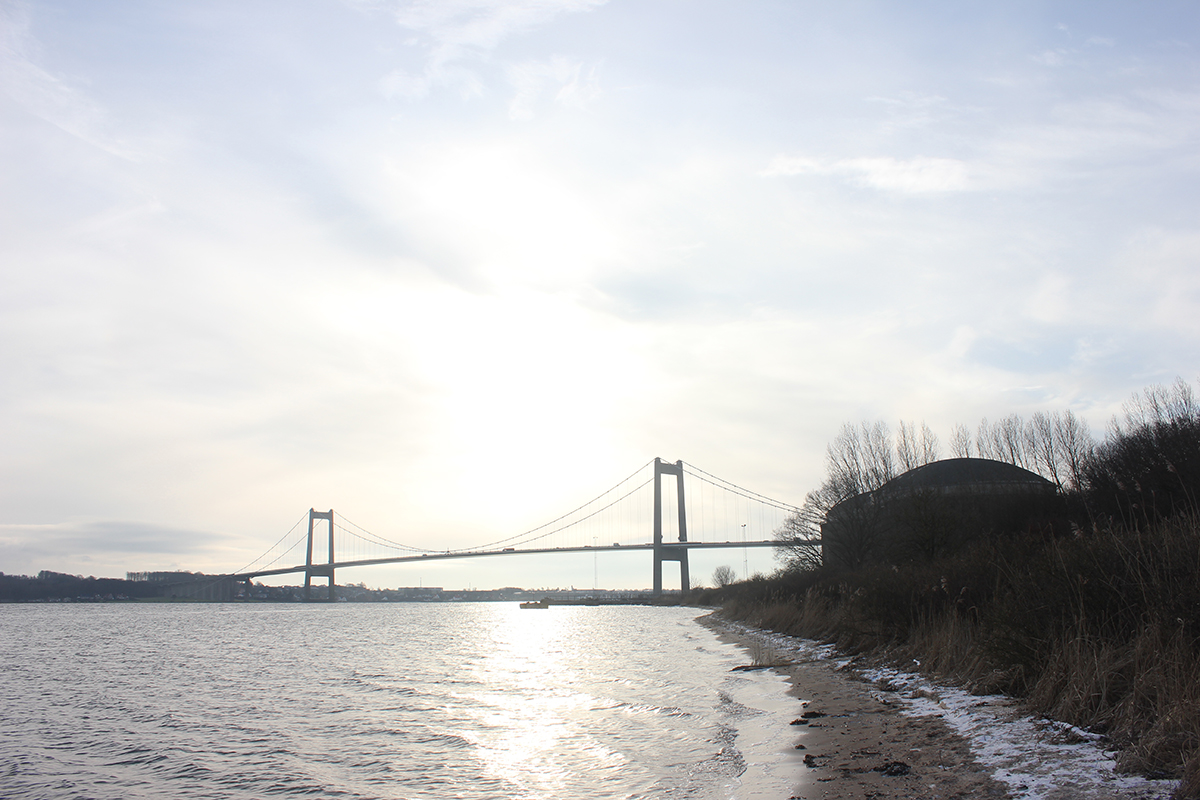
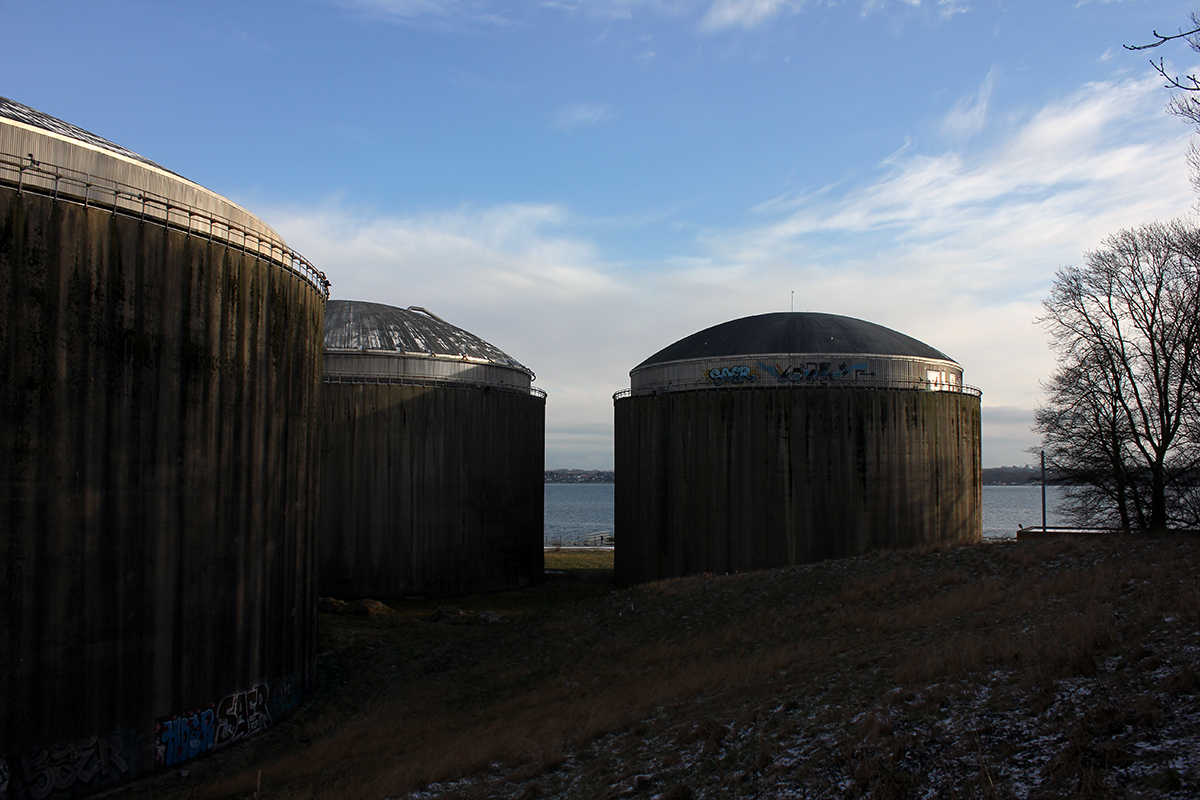
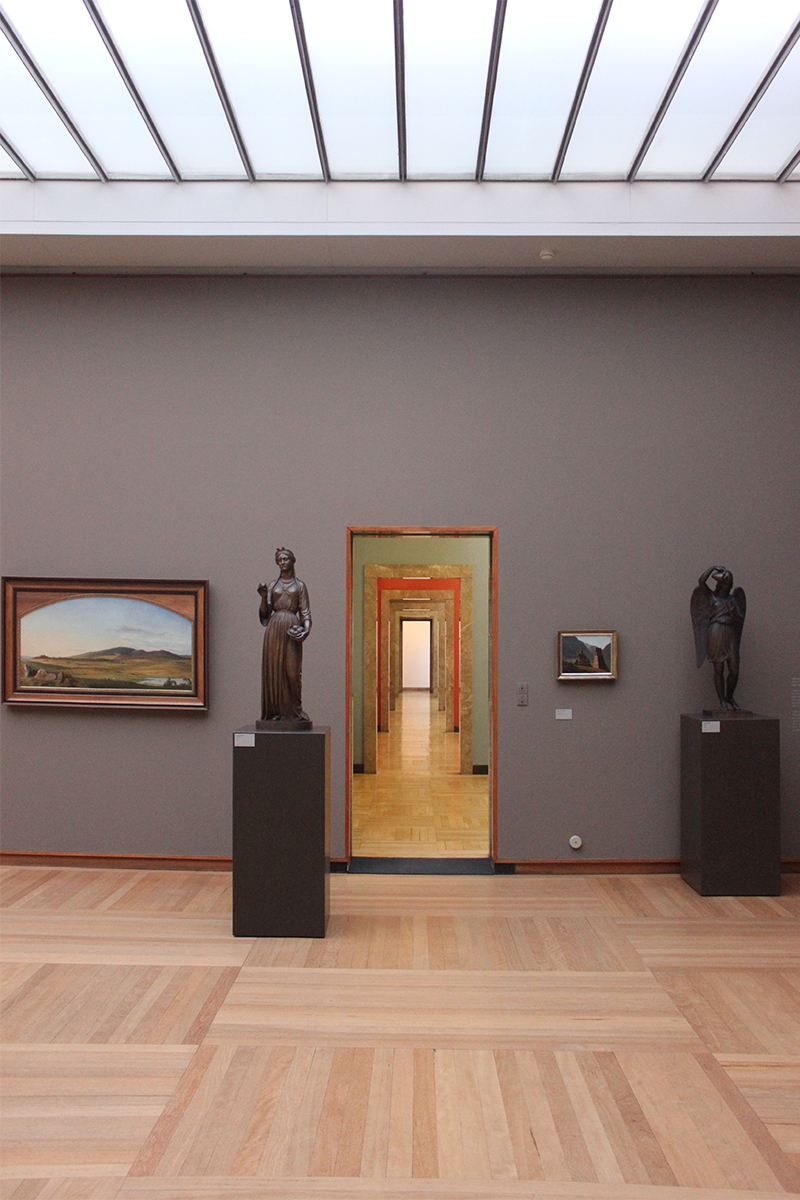
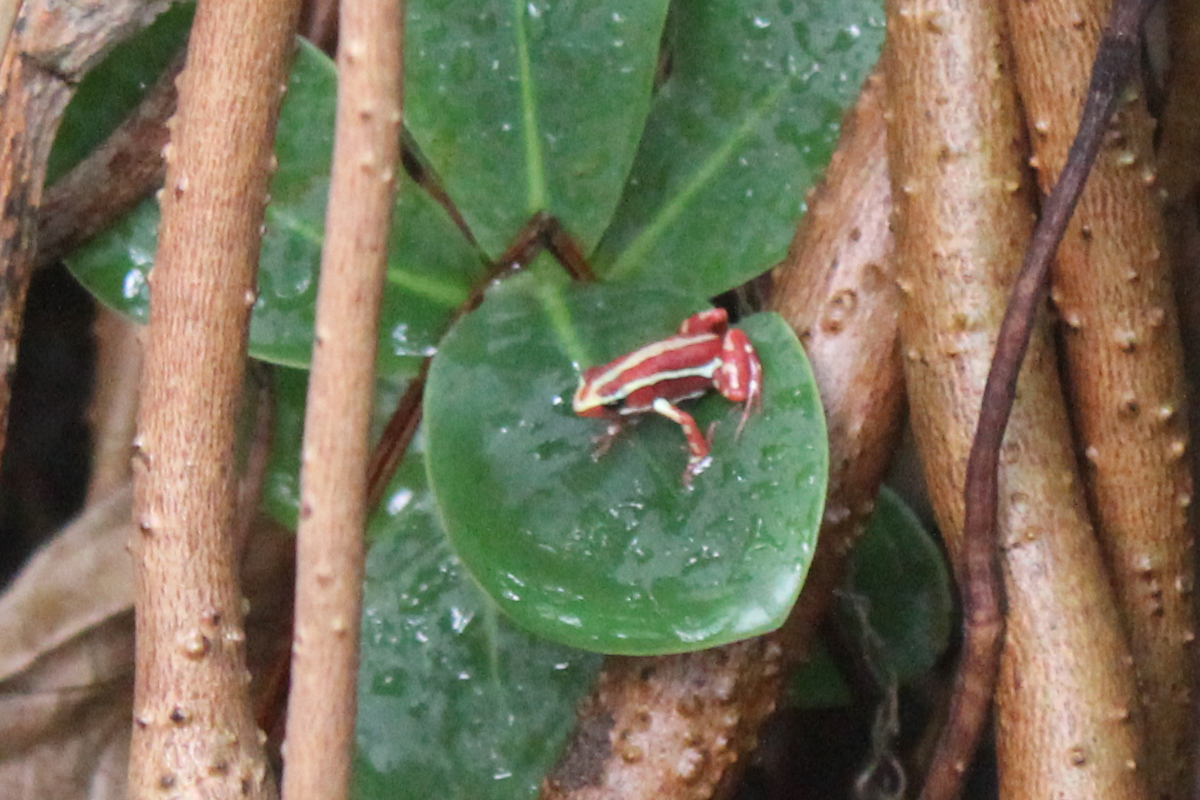
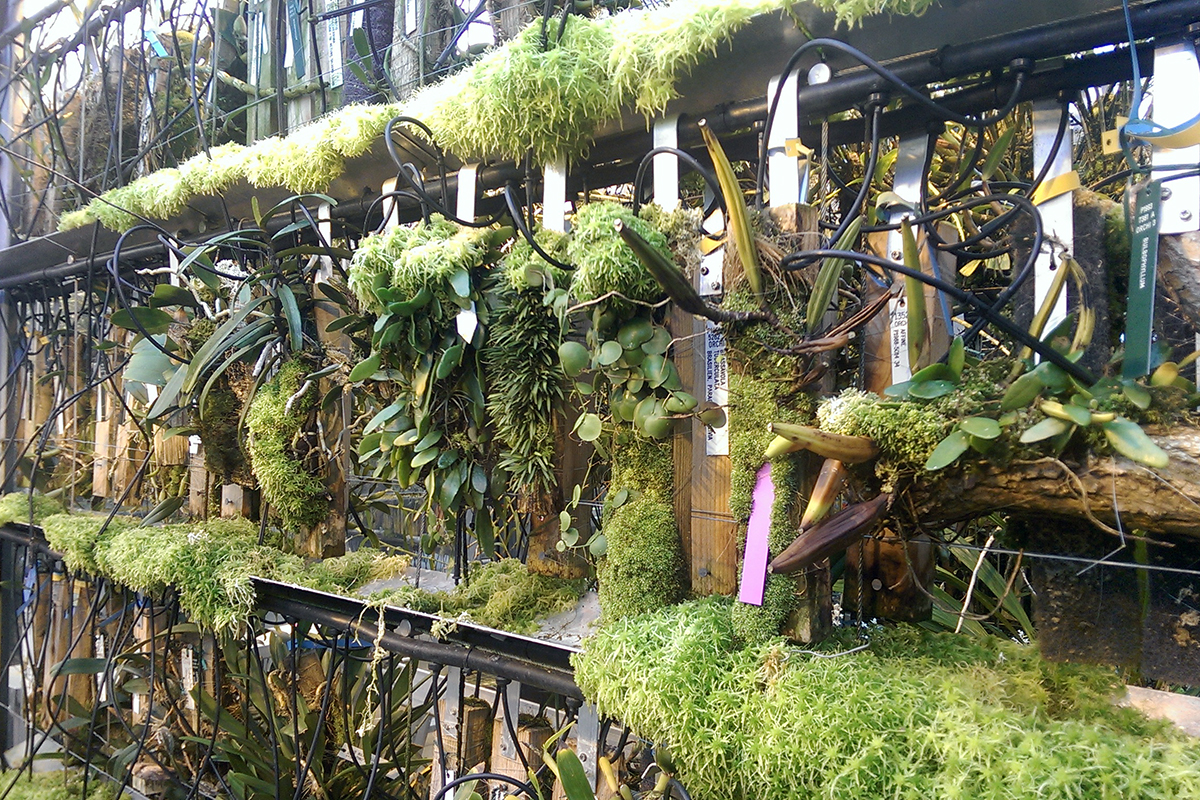
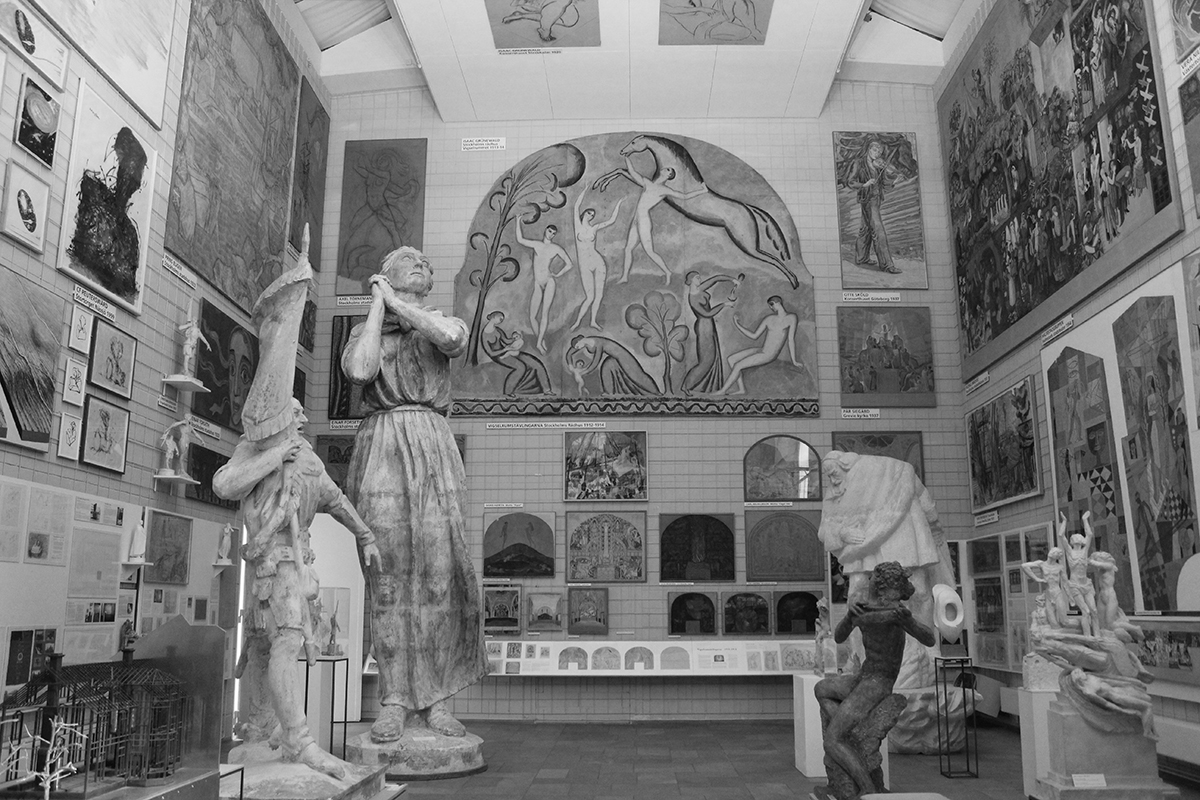
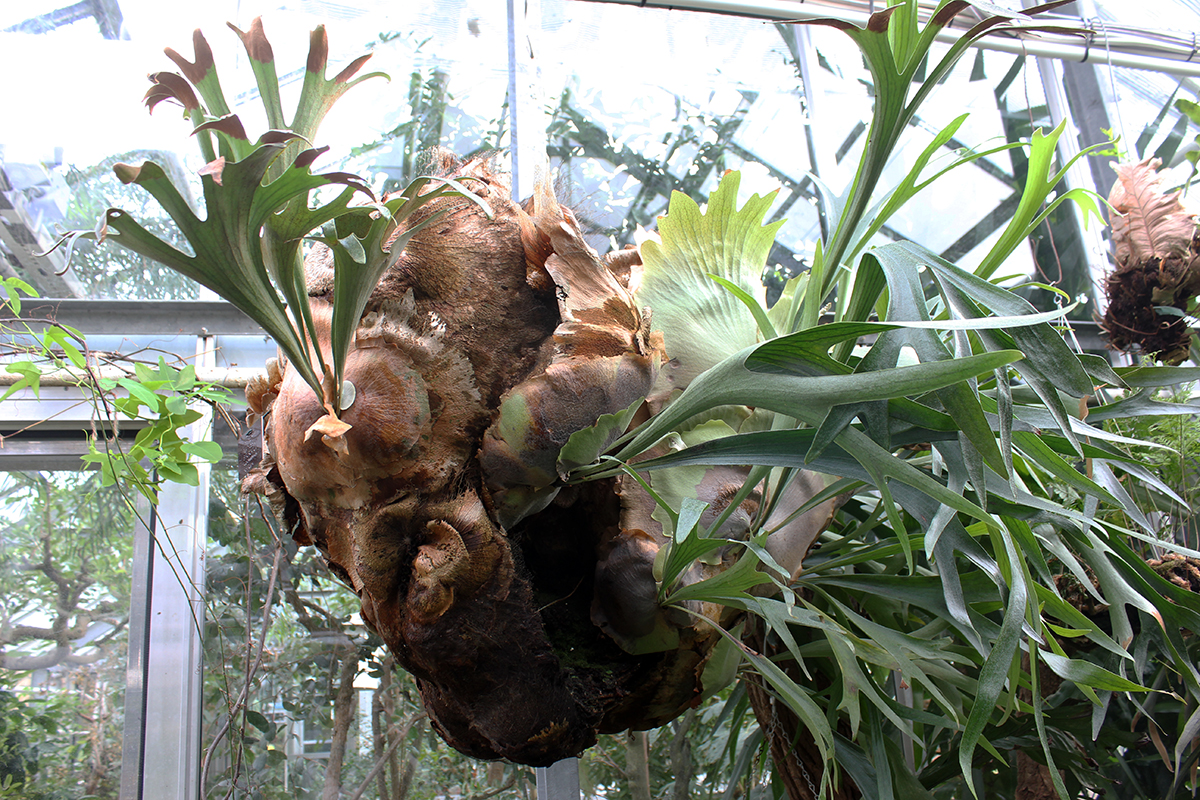
The first study trip went to Copenhagen where we visited Glyptoteket, the botanical gardens and kongernes lapidarium. The following weekend I went to Lund, Sweden, and visited their botanical garden and also the museum of sketches.


5th February 2015
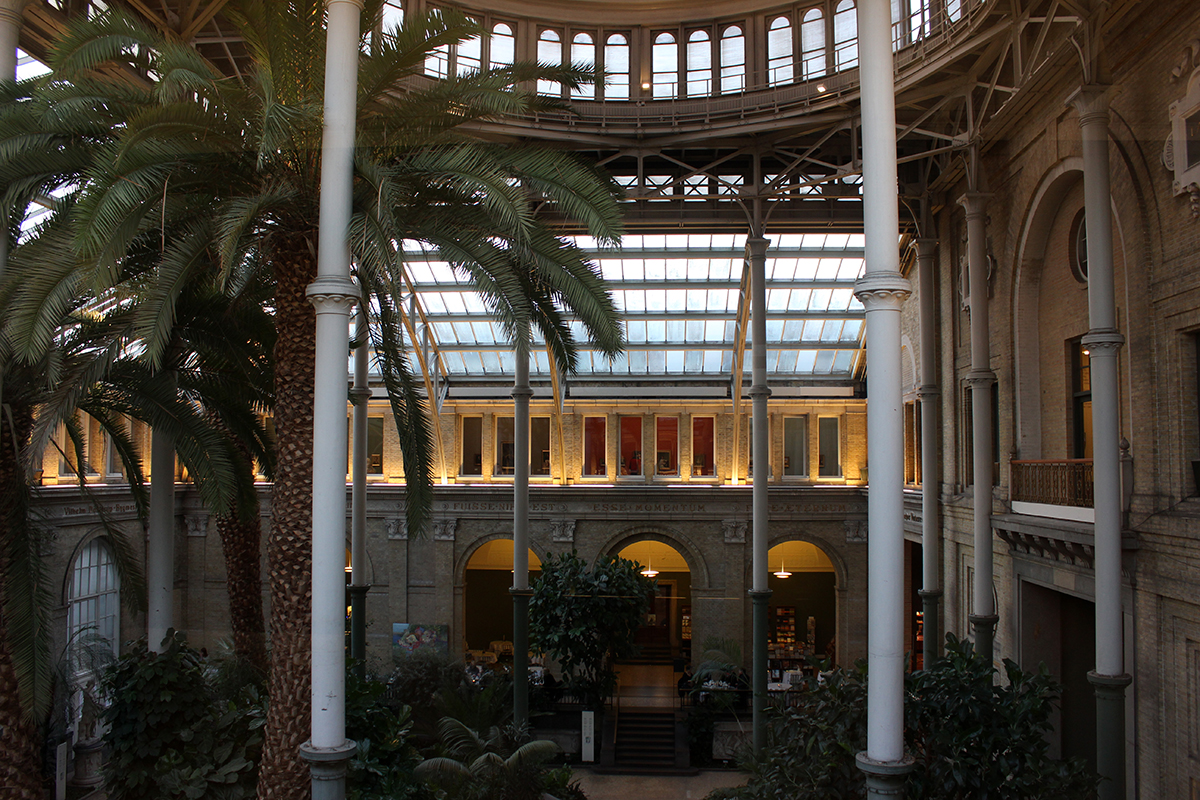
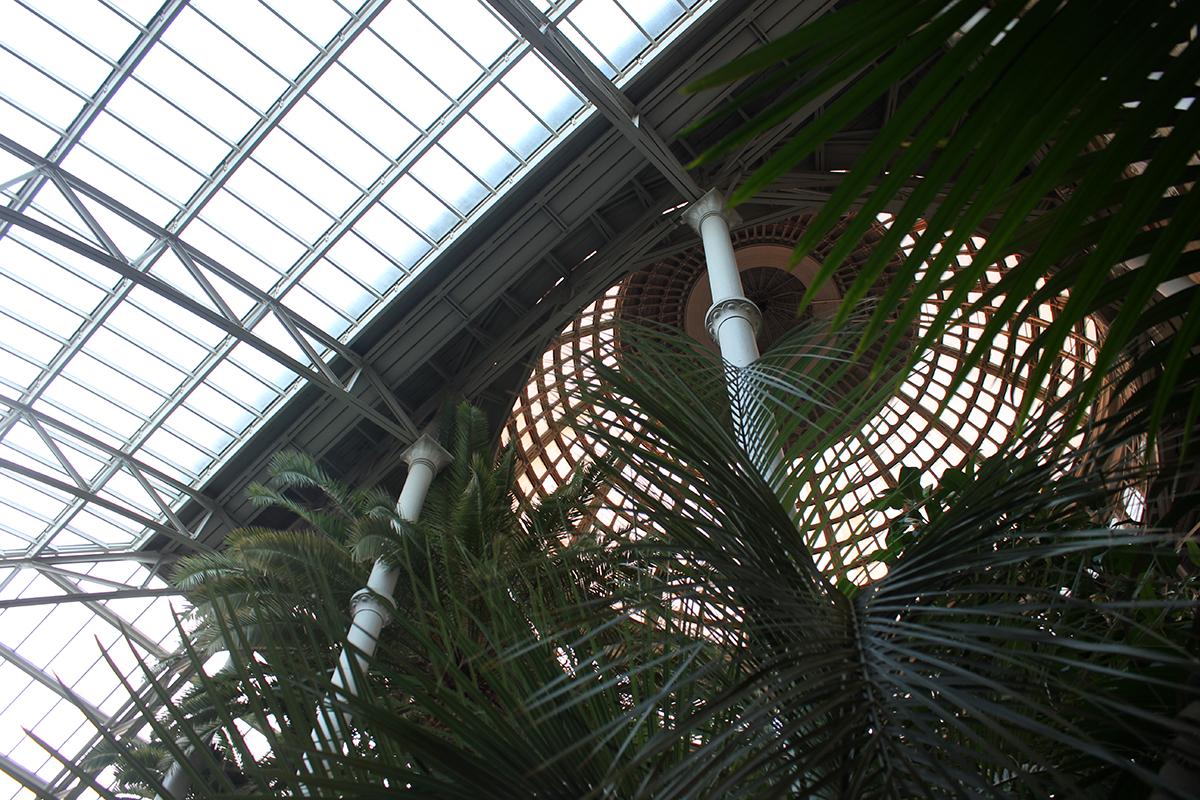
The first study trip went to Copenhagen where we visited Glyptoteket, the botanical gardens and kongernes lapidarium. The following weekend I went to Lund, Sweden, and visited their botanical garden and also the museum of sketches.
13th January 2015
How can a highly disassemblable building catering for Filmbyens current needs be flexible and adaptable for another programme or another site?
(startup meeting 02.10.2014 )


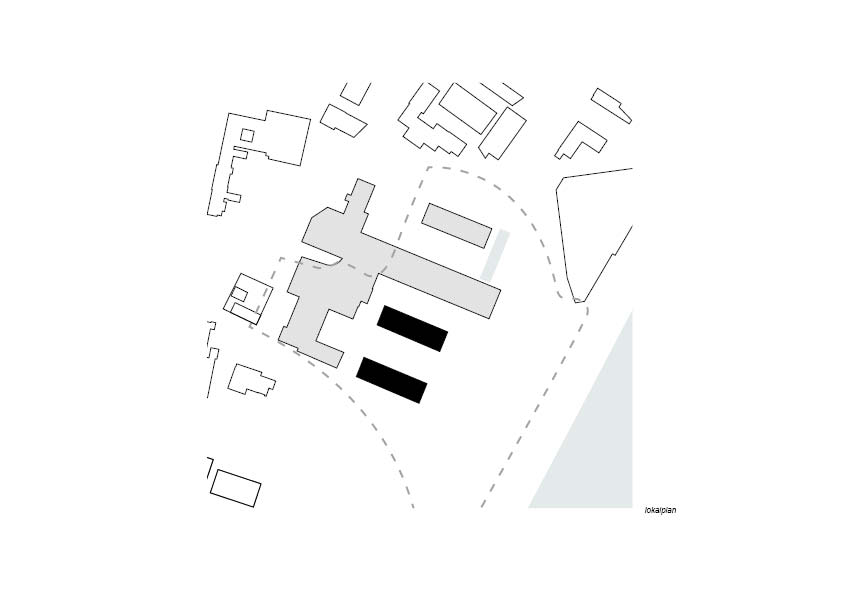


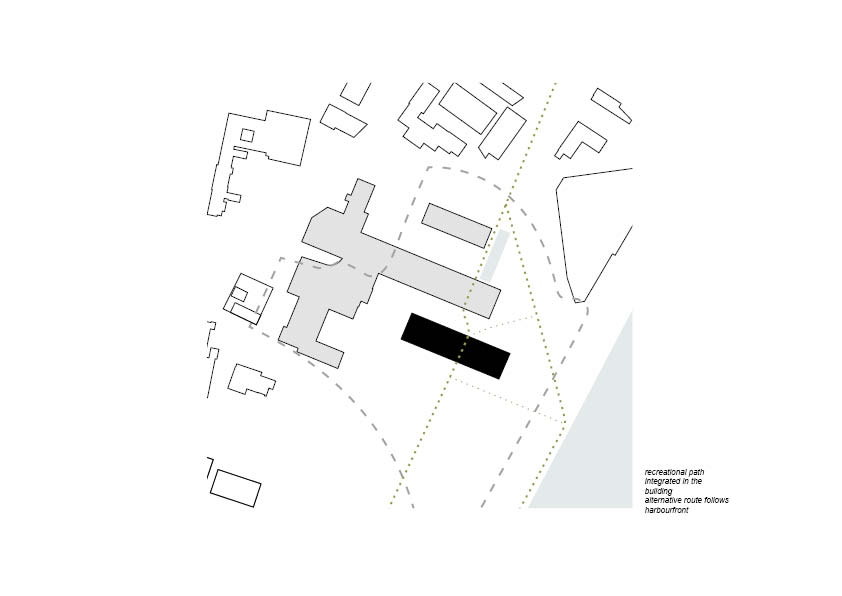
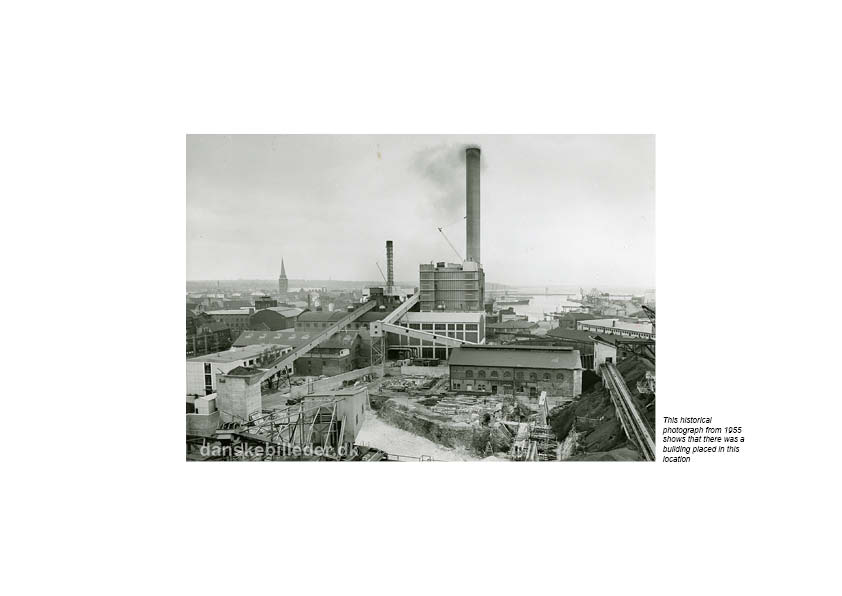
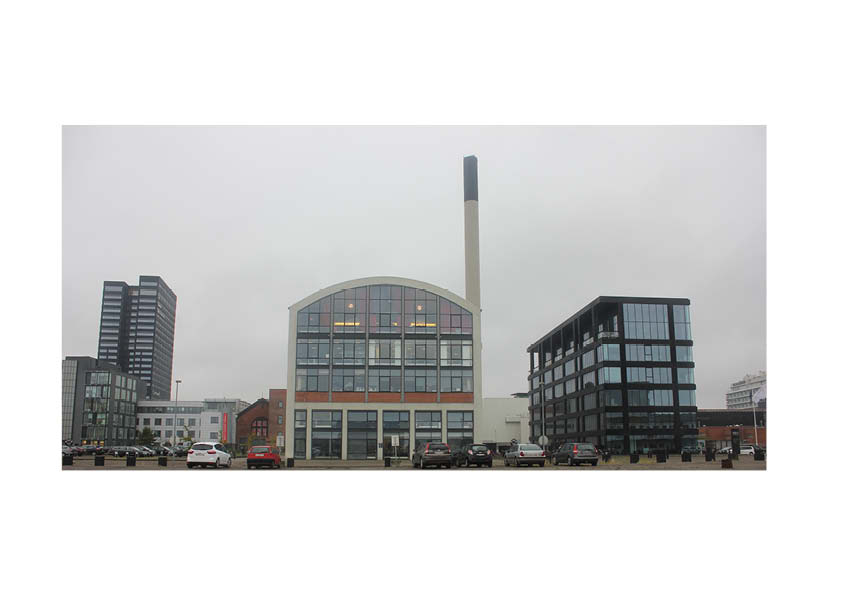
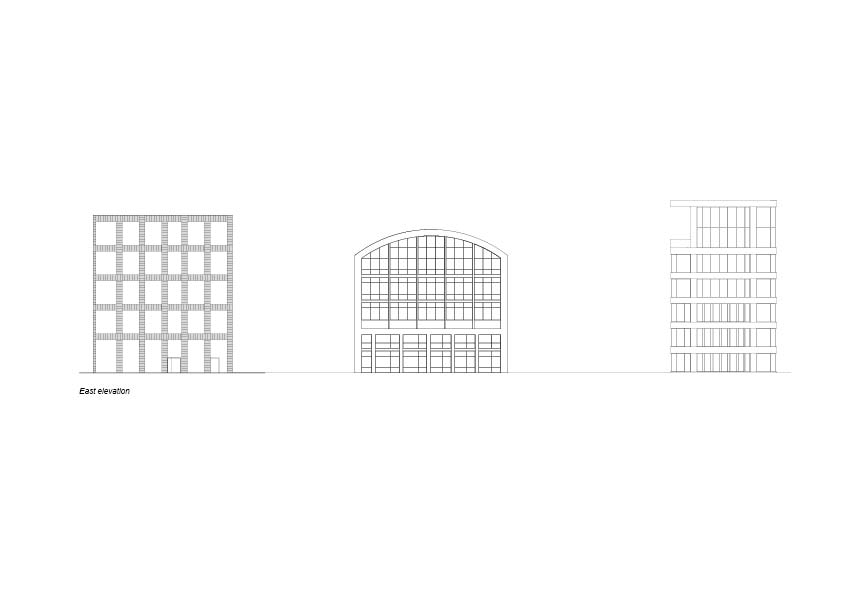


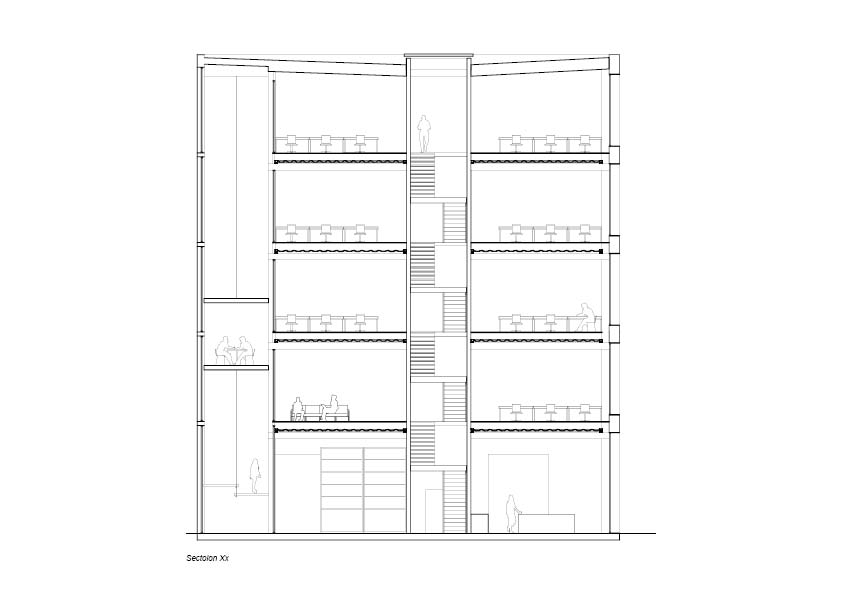

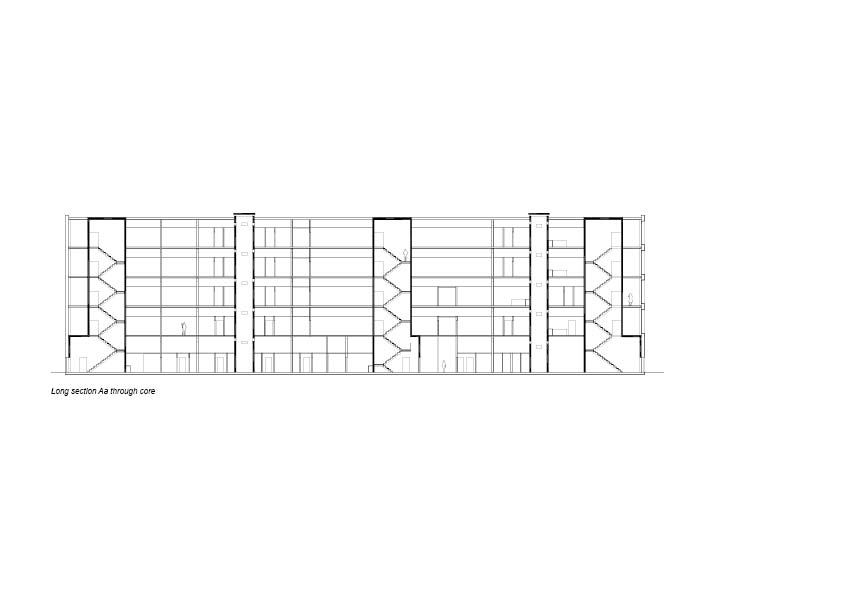
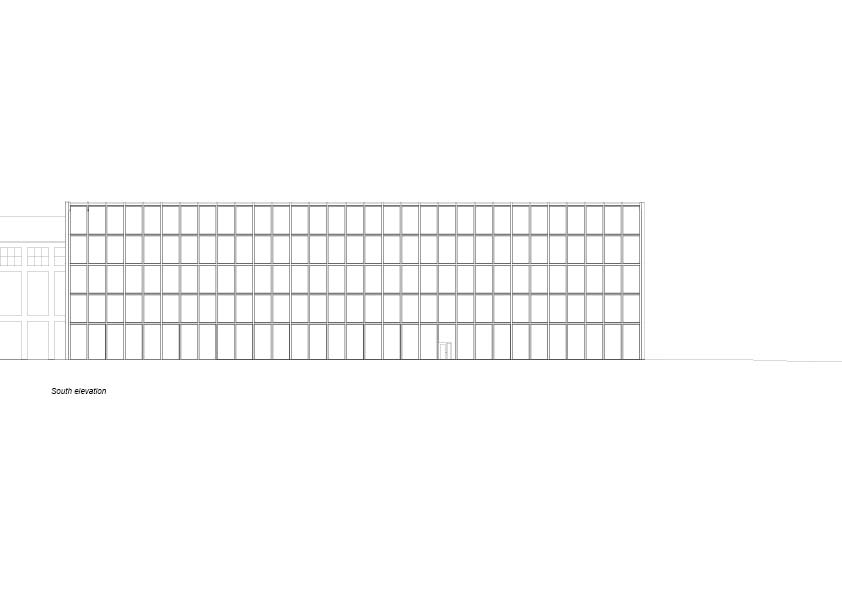
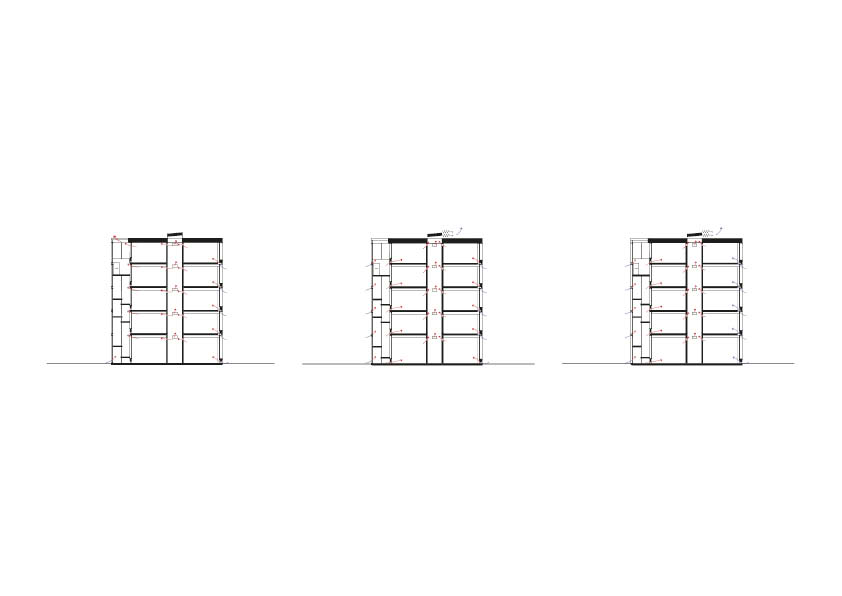






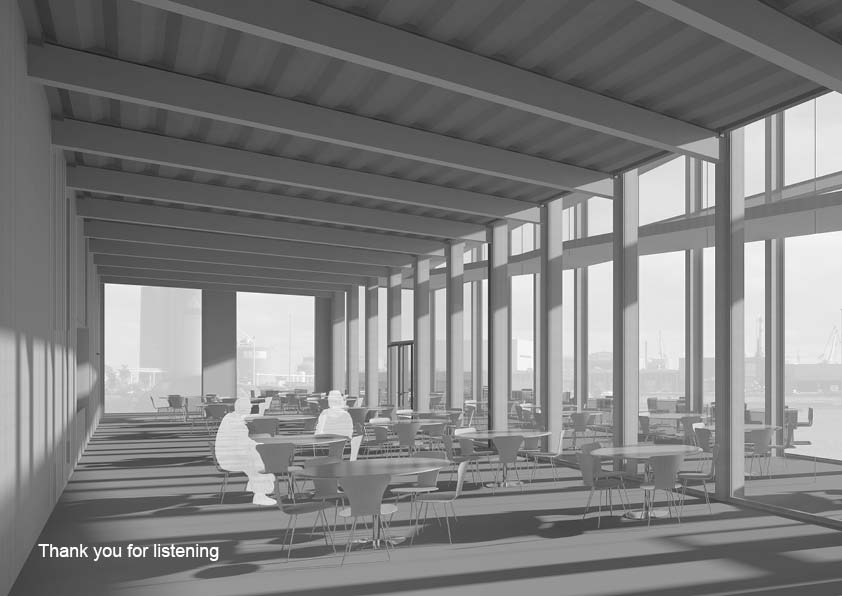
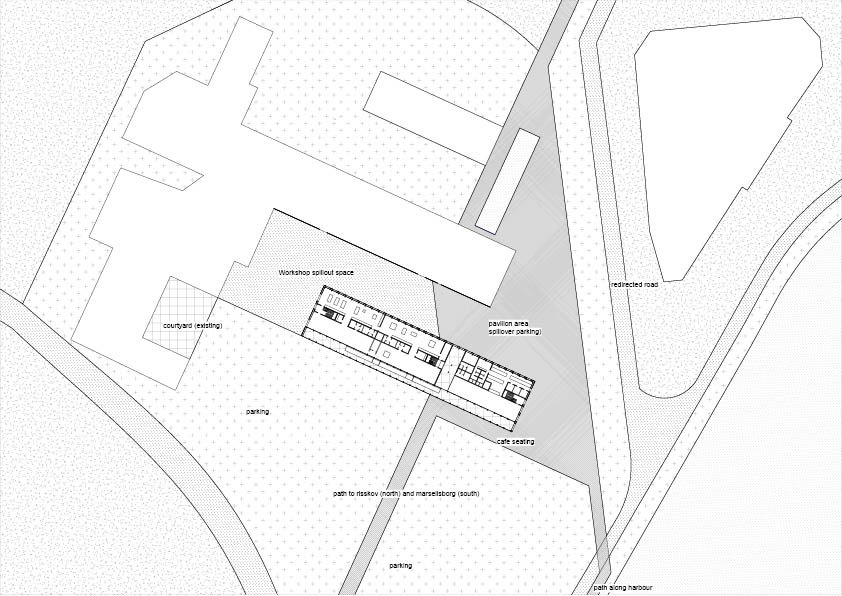
Filmbyen Aarhus is looking to expand due to the pressure from many companies wishing to join the creative cluster by the harbour. This low tech building uses passive design measures to achieve high quality building that is transportable. Due to the potentially short lifespan of the building, design for disassembly is incorporated in order to completely remove the building off the site, while being able to use it at another location. Added benefits of DFD include easy maintenance, simple construction and modularity. High quality spaces are achieved through carefully selecting materials and construction methods. The simple rectangular form fits comfortable on the site, but is easily transferable to another location. In the case of the building being moved, the only traces remaining on site will be the infrastructural services; plumbing and electrical intake. This can be used in future development of the site. The industrial atmosphere of the site has allowed for a rough and durable architecture which suits DFD strategies. This has also allowed for some experimental upcycling to be incorporated into the building.
10th January 2015


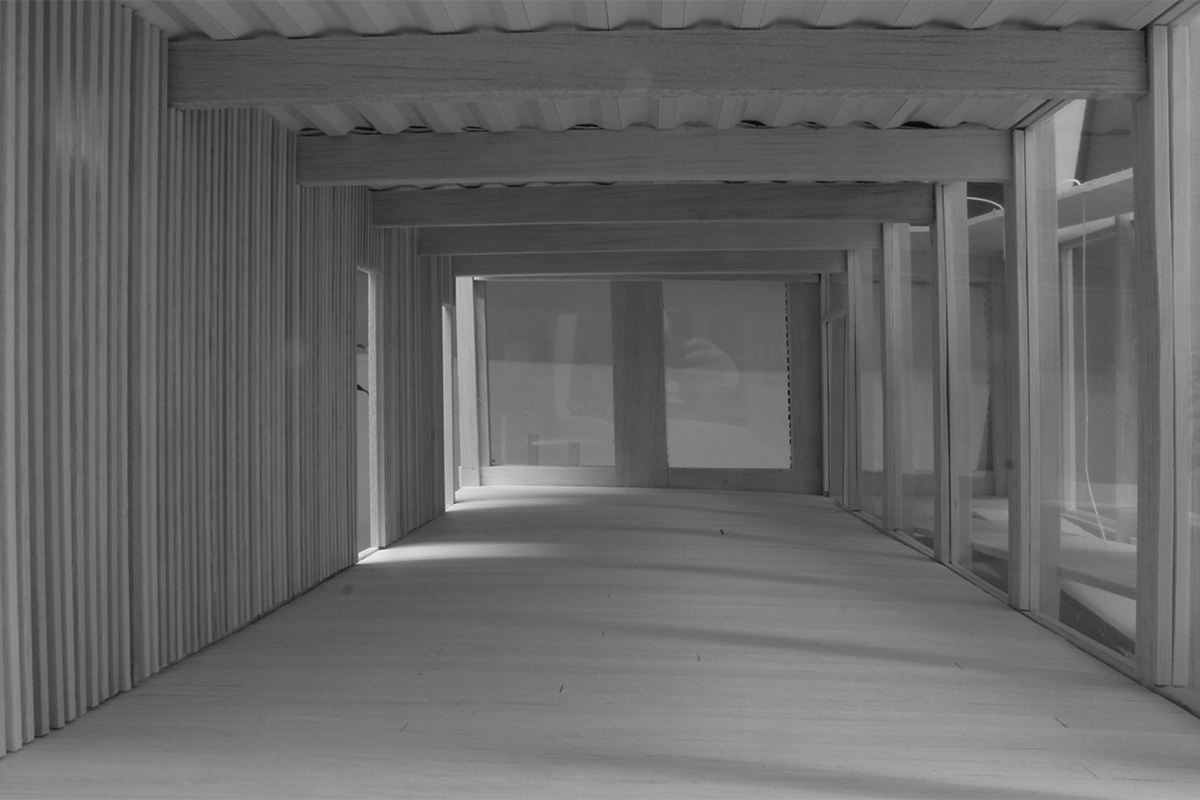

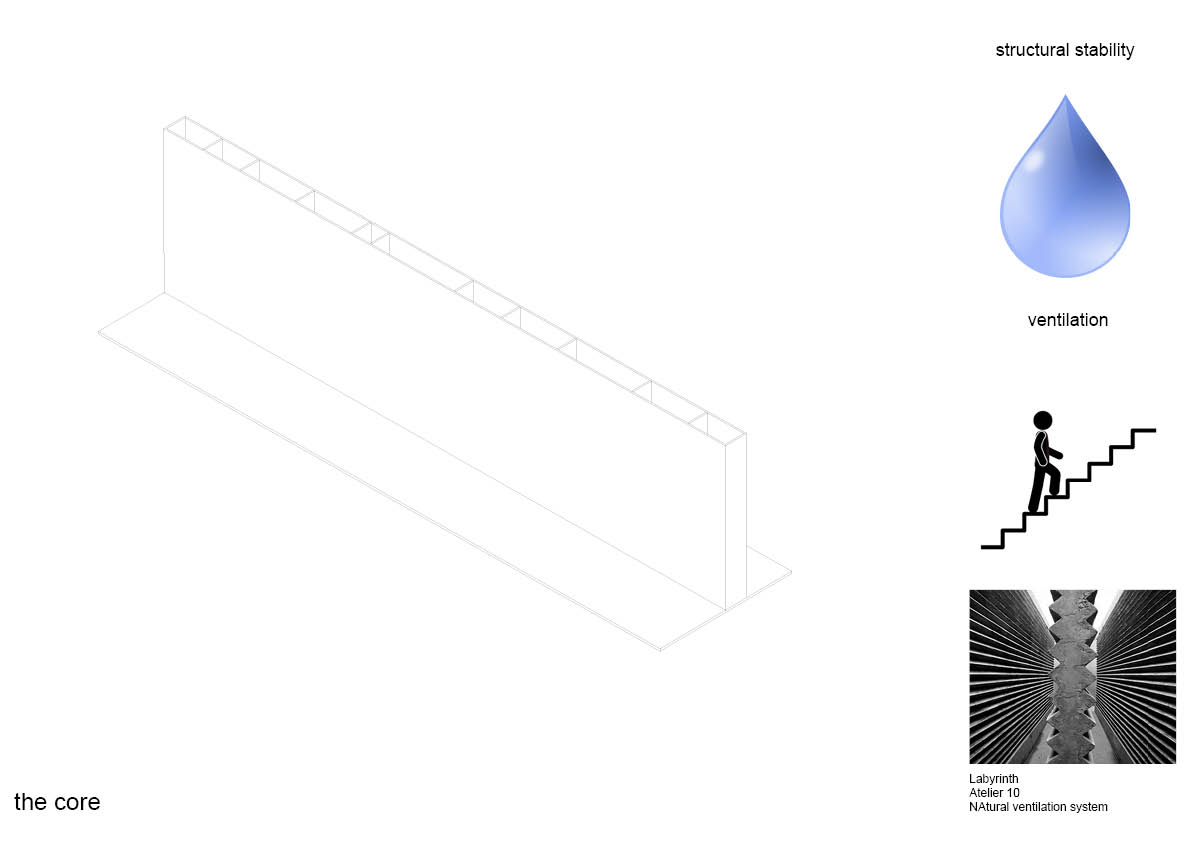
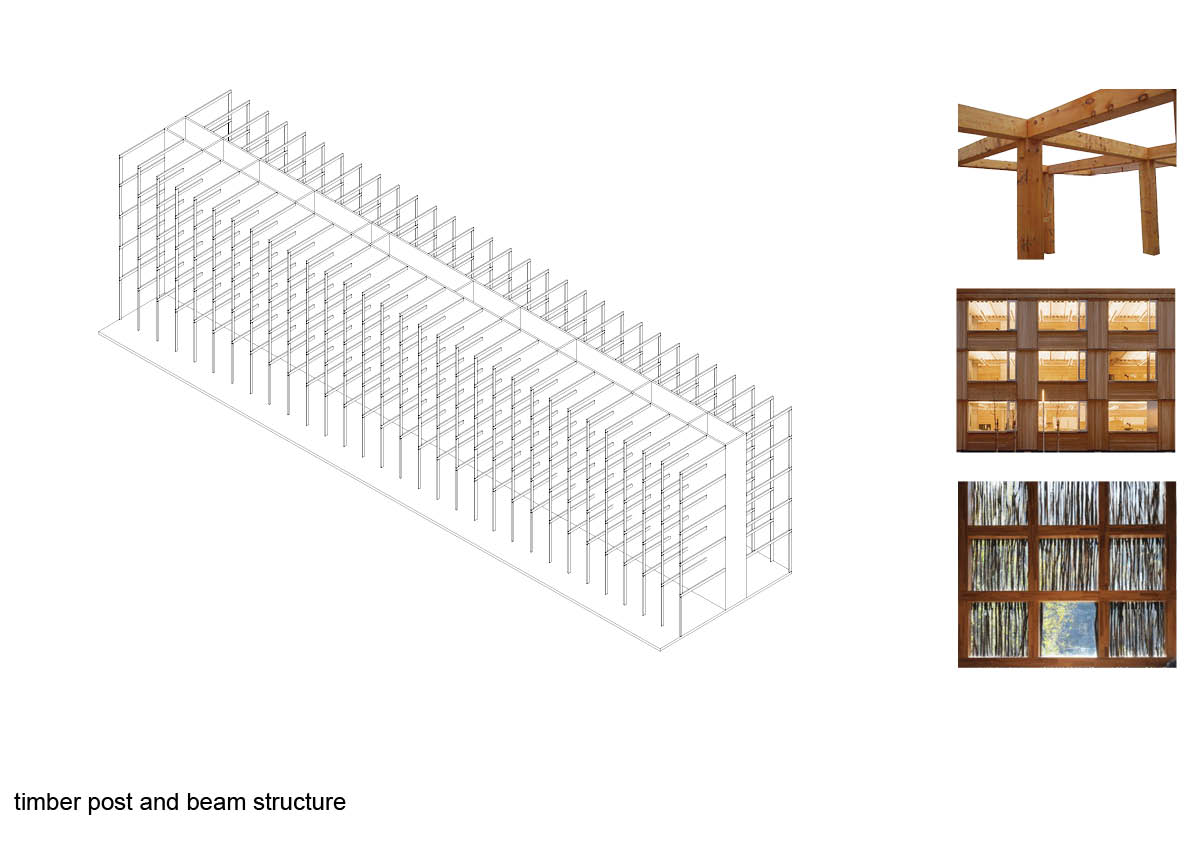
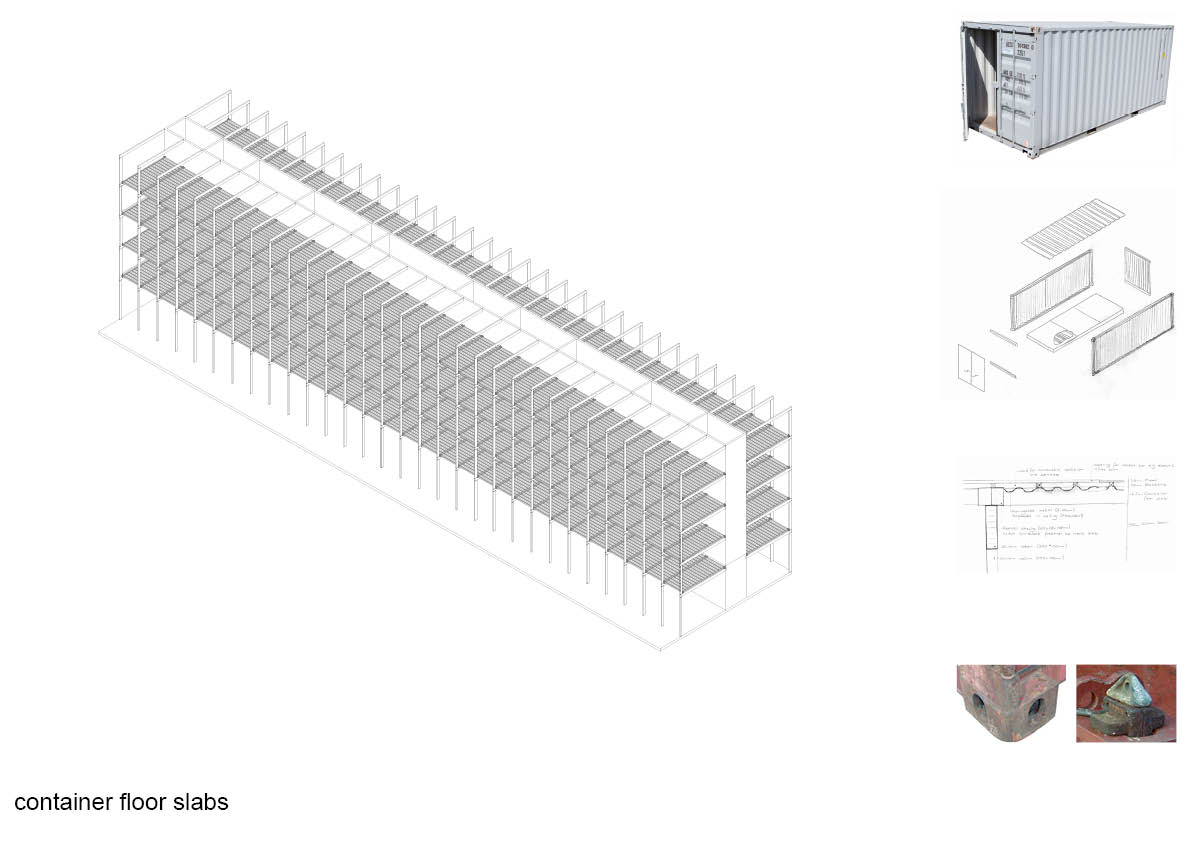
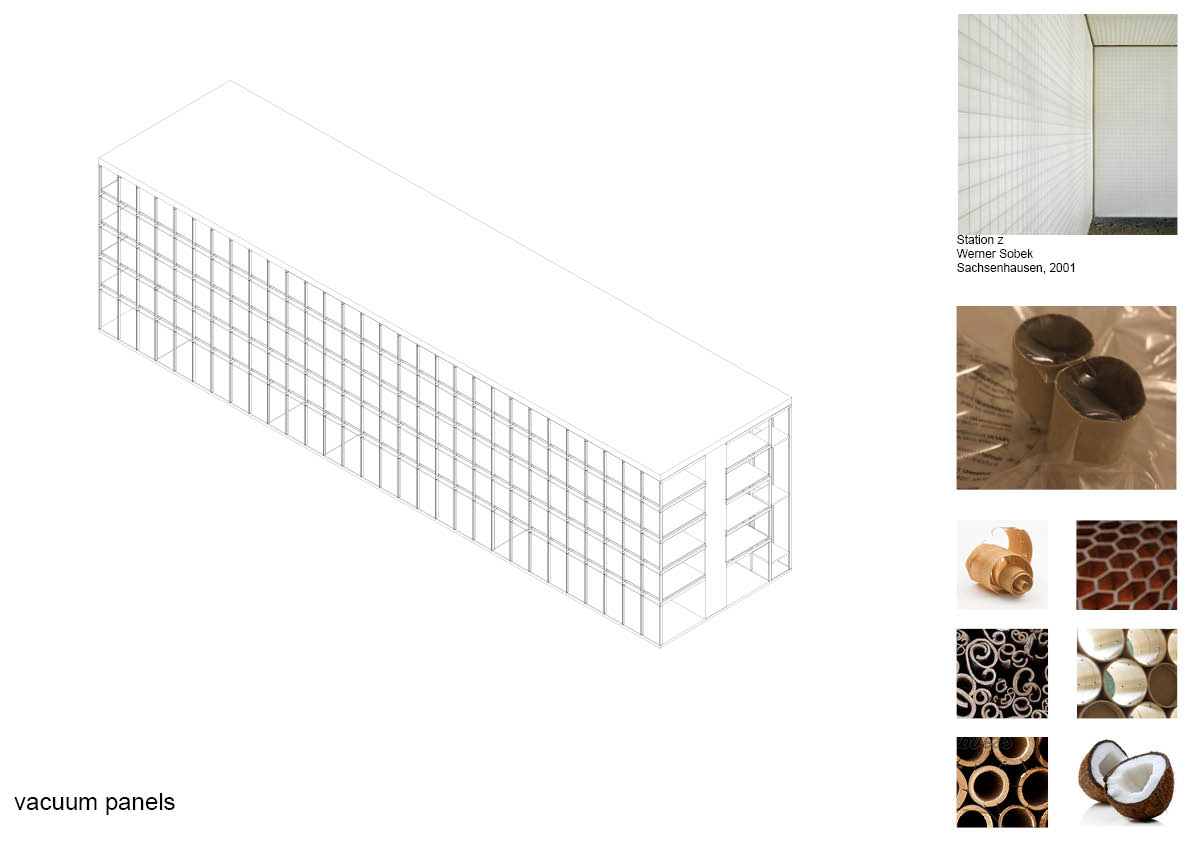
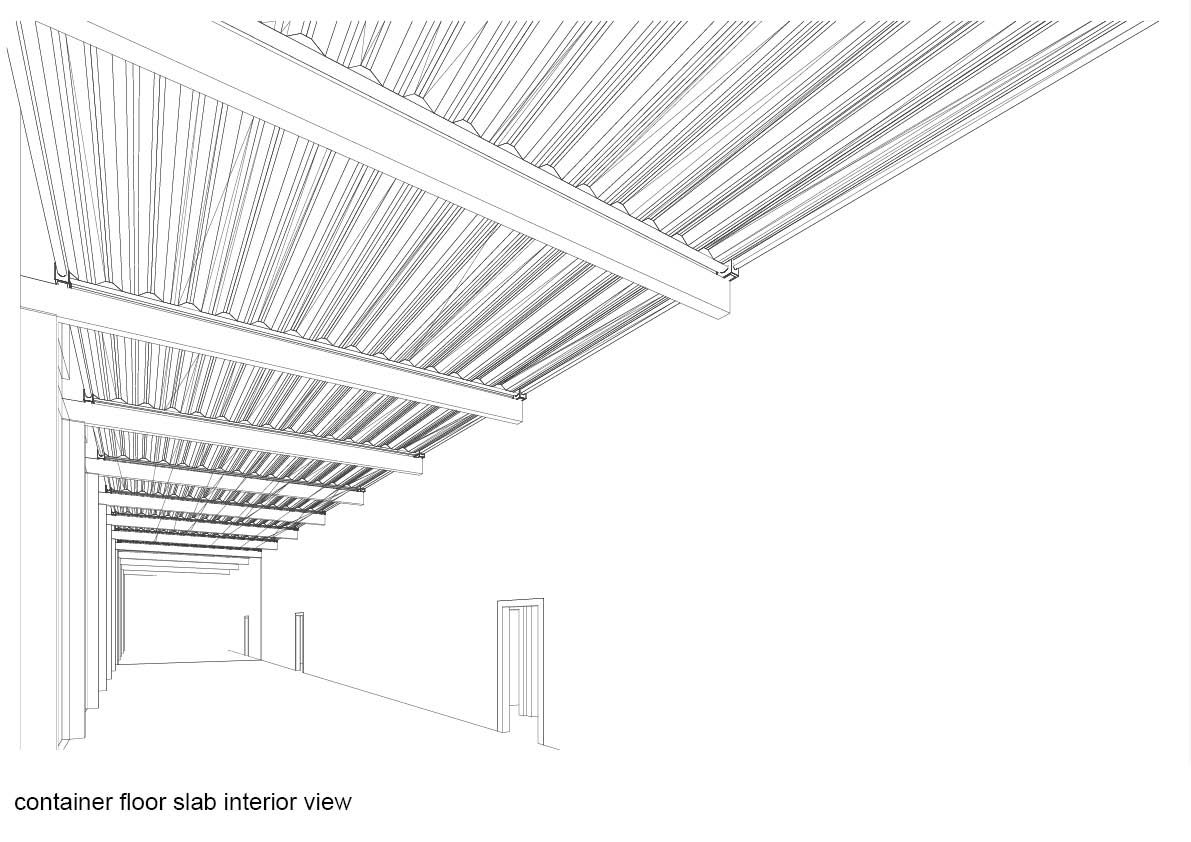
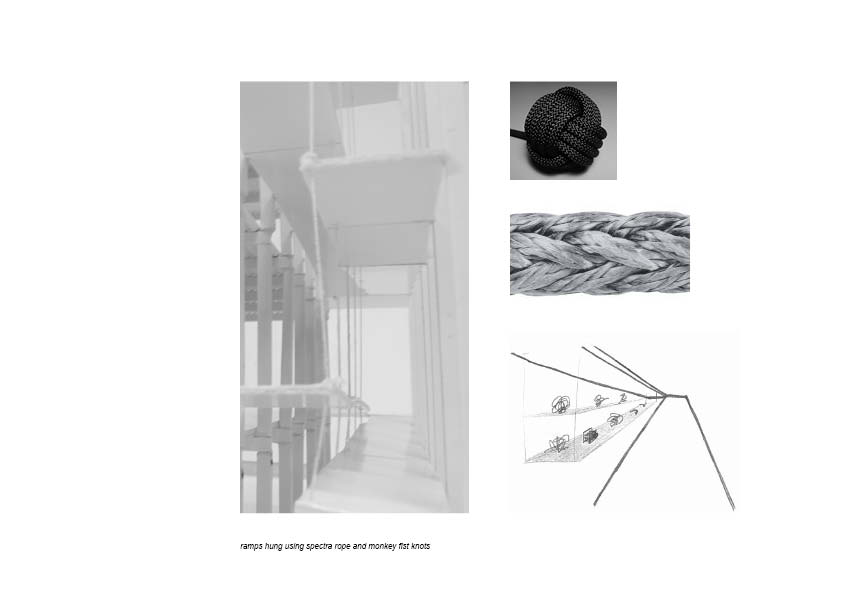
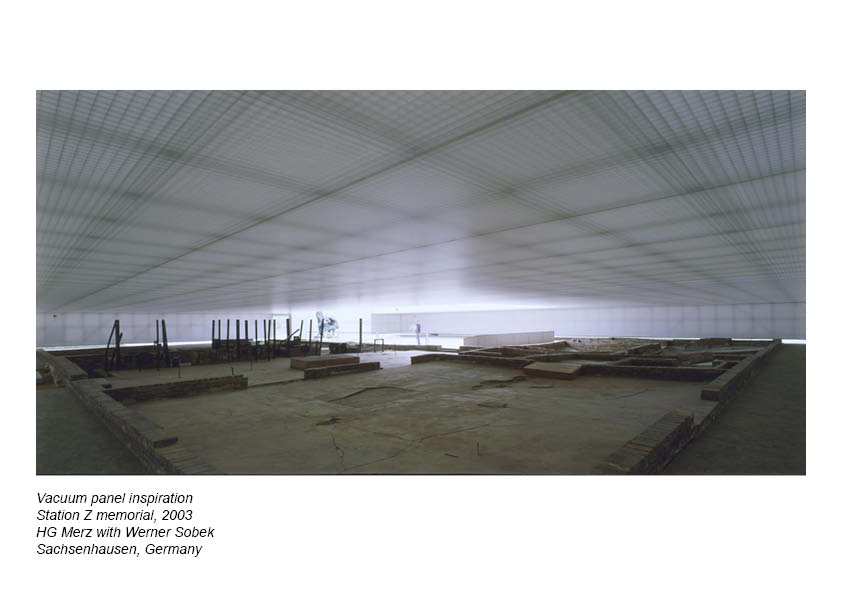
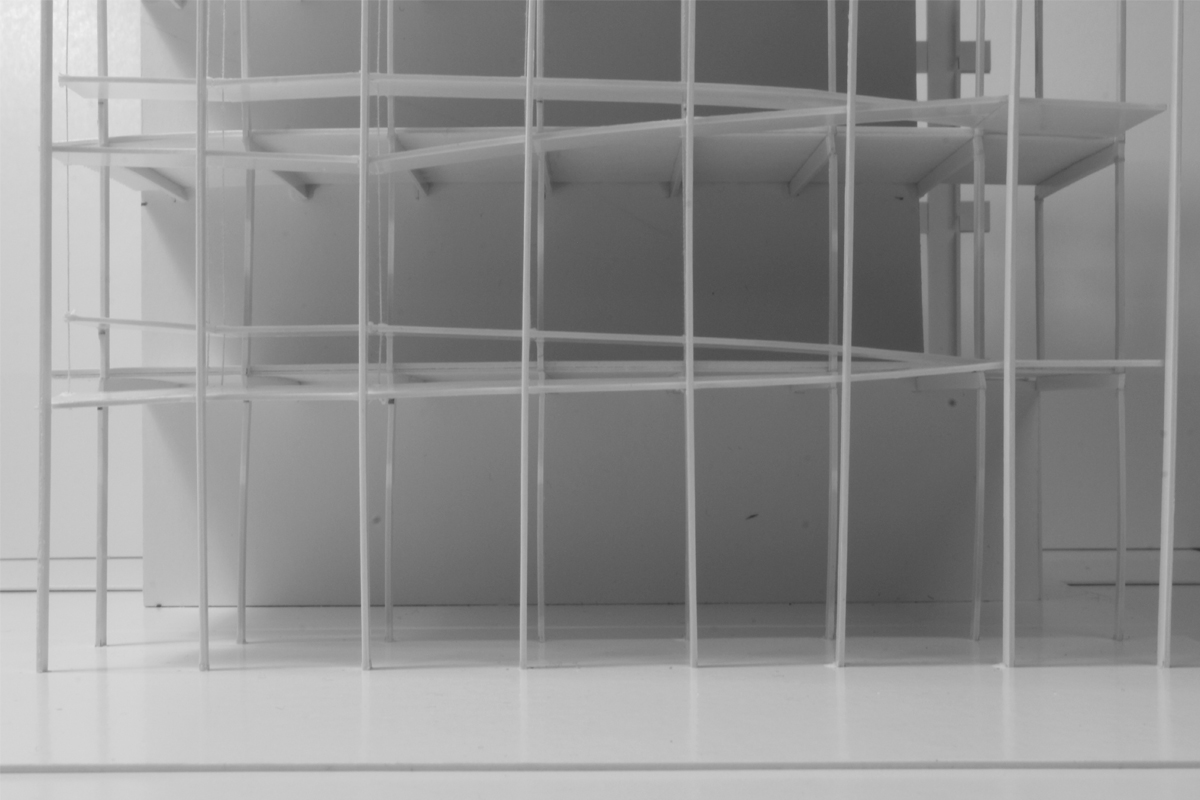
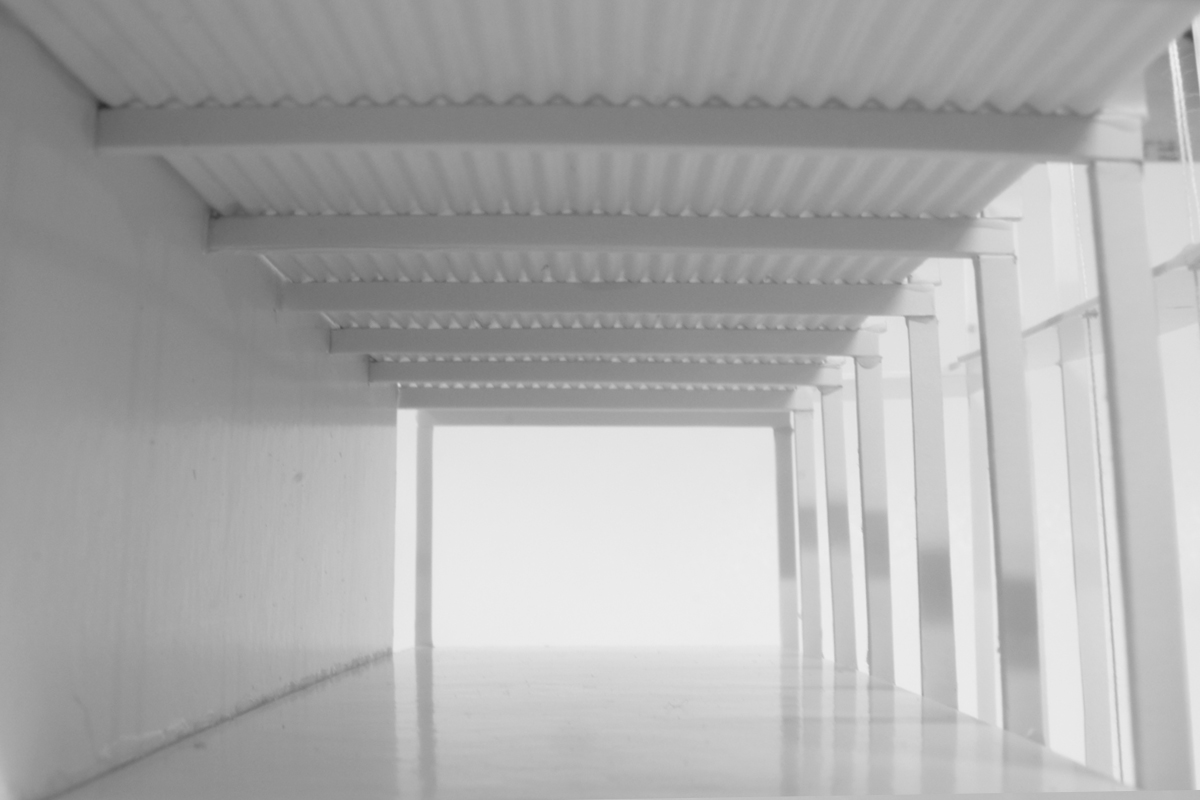
the 1:20 model portrays the materiality and material composition found in the building. All the different elements are present in the model of the south-east part of the building on the 3rd floor. Vacuum panels, ramps, monkey fist spectra knot hanging systems for the ramps, container floor slabs, brettstapel structural and accoustic wall to the core, the floor, east facade timber casette panels and charred timber cladding.
7th January 2015
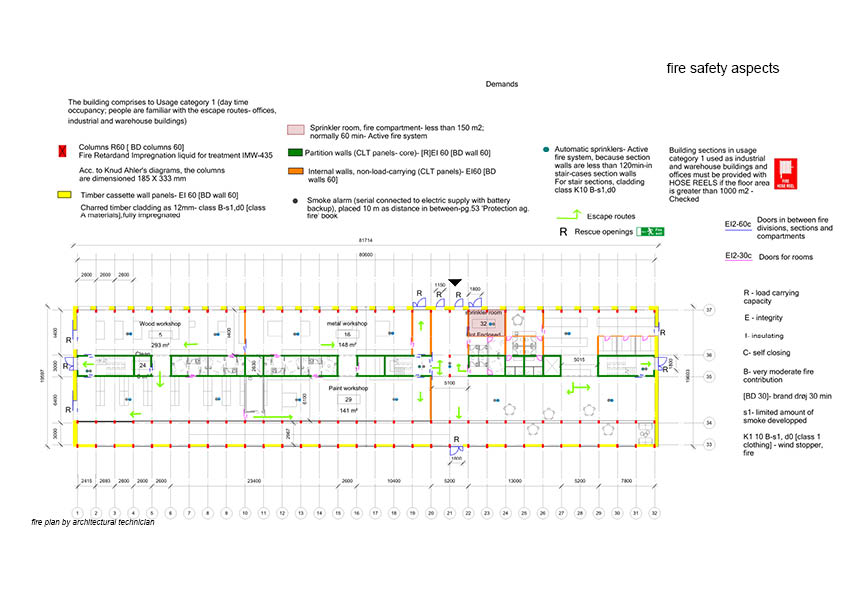
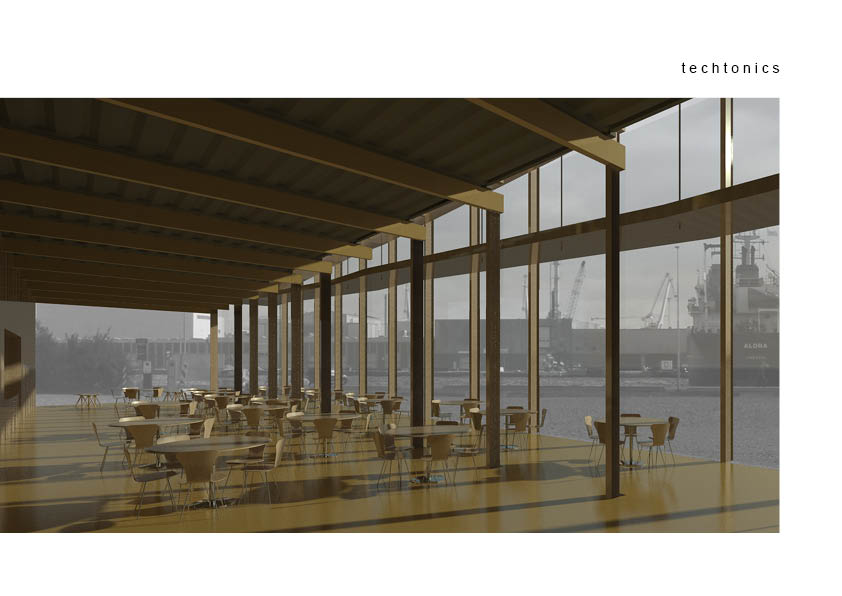
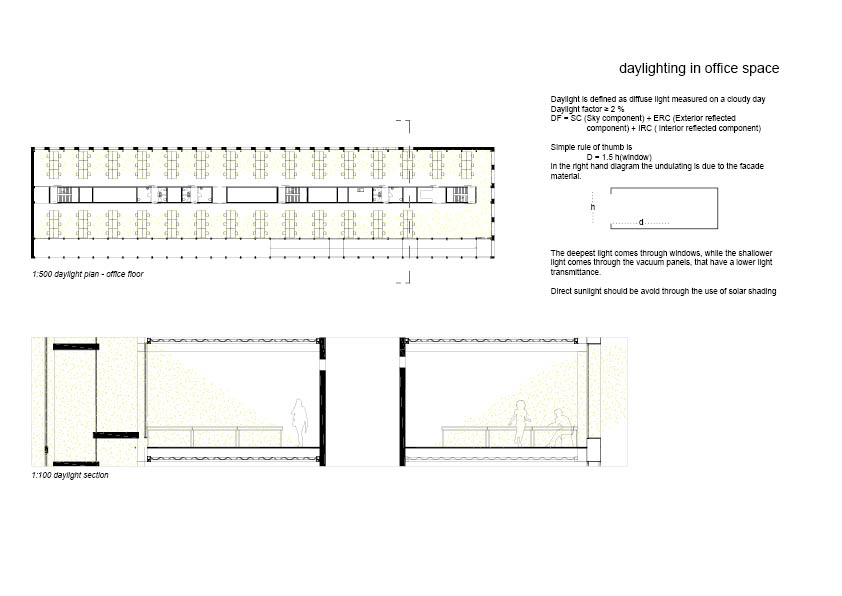
the design realisation process has been running parallel to the design process. Design realisation aims to realise the building and focus on parameters that will influence the process in architectural practice. Through meetings with practicing architects, engineers and architectural technician’s aspects such as construction, regulation and tectonics have been discussed and developed in terms of this project.







12th December 2014
When thinking about what materials to use as a membrane I came across this – regatta sail sheet. This is made of a laminate with mylar (clear film) with strands of kevlar and carbonfibre within – a very expensive material when new, but with a short lifespan in terms of use in sailing. This project could potentially breathe new life into old unwanted sails.

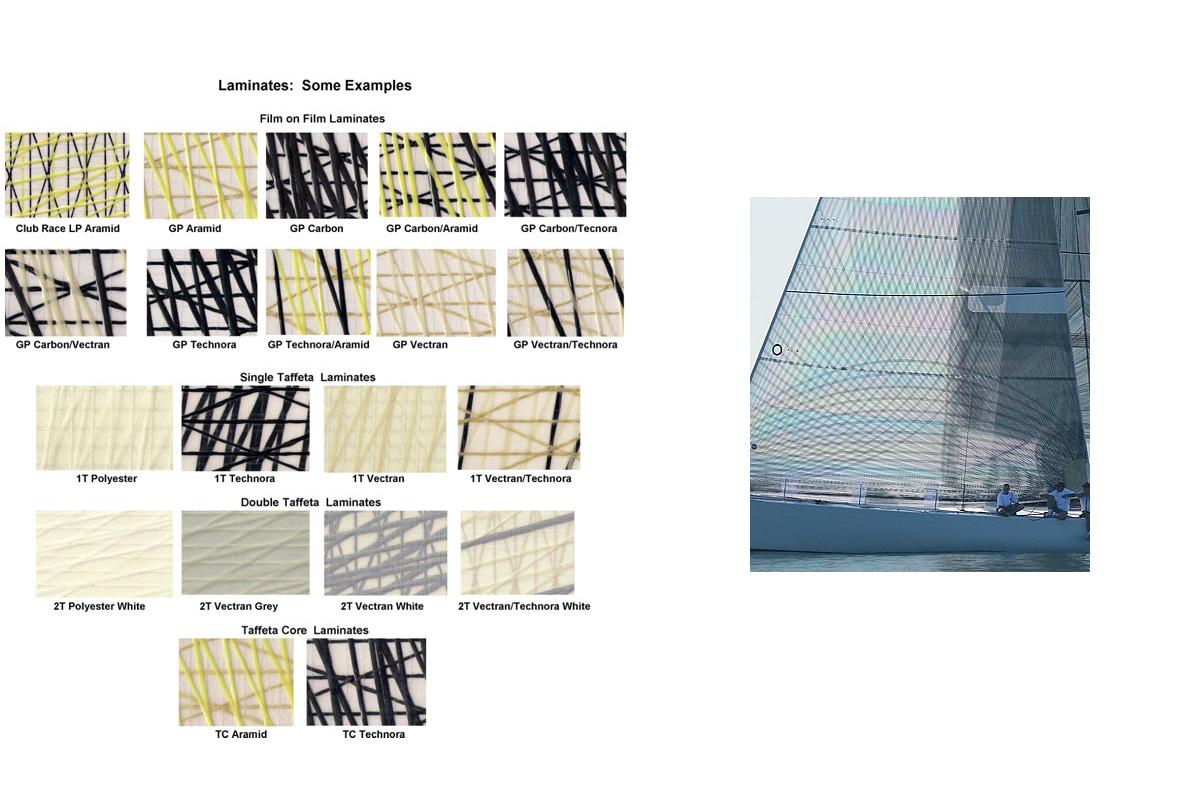
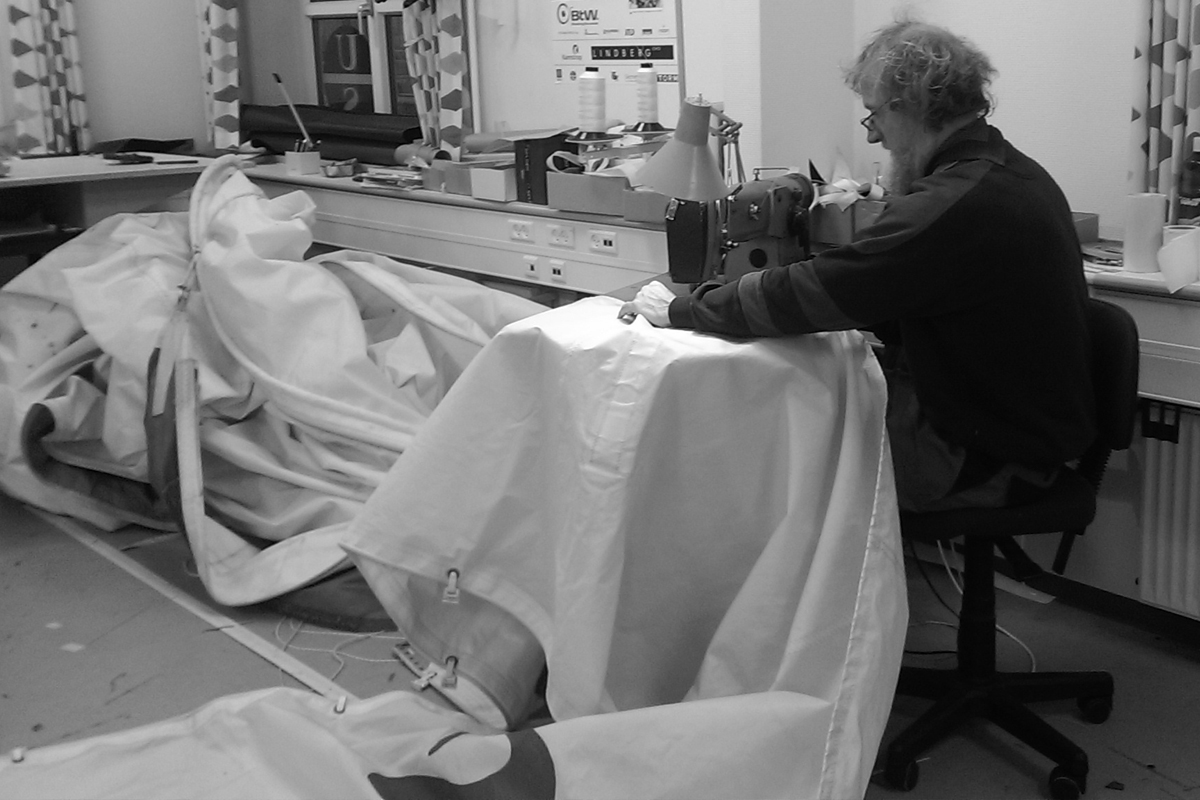

In search for old sails I visited the local marina shop and sail maker (pictured above)
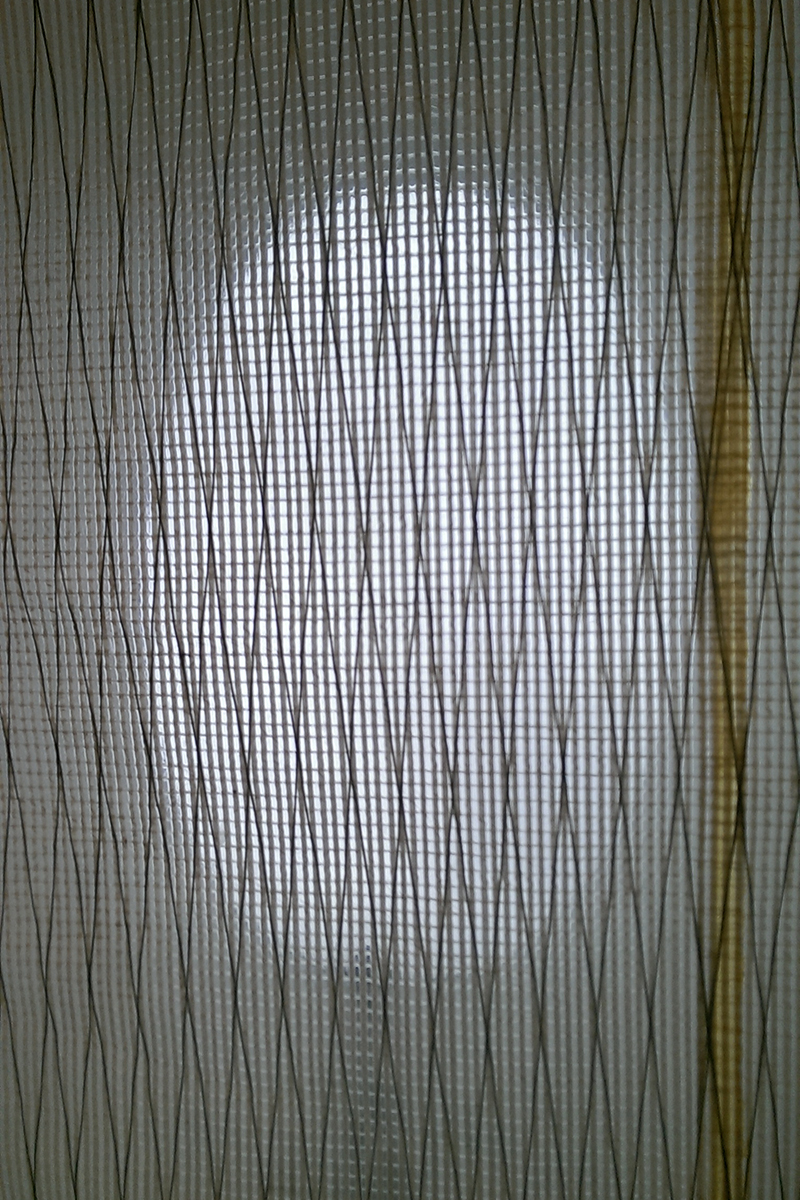
Prototypes showing daylight coming through the sail
11th December 2014
To further explore and gather my project I decided to make a sectional model with all the layers of the structure. When building I was trying to be as true to the construction as possible. The ramps are fastened to the structure on one side, while the other side is hung with spectra (rope that is stronger than steel cables)



10th December 2014


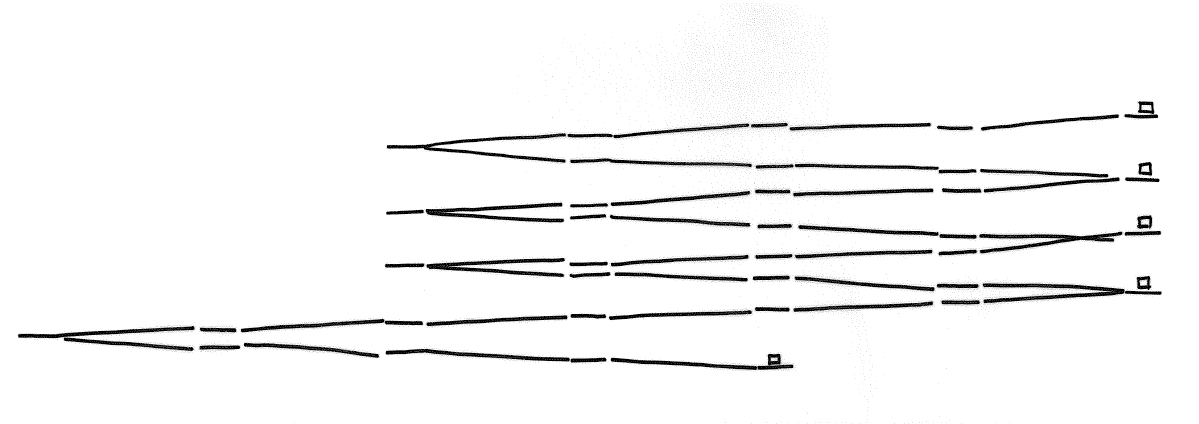
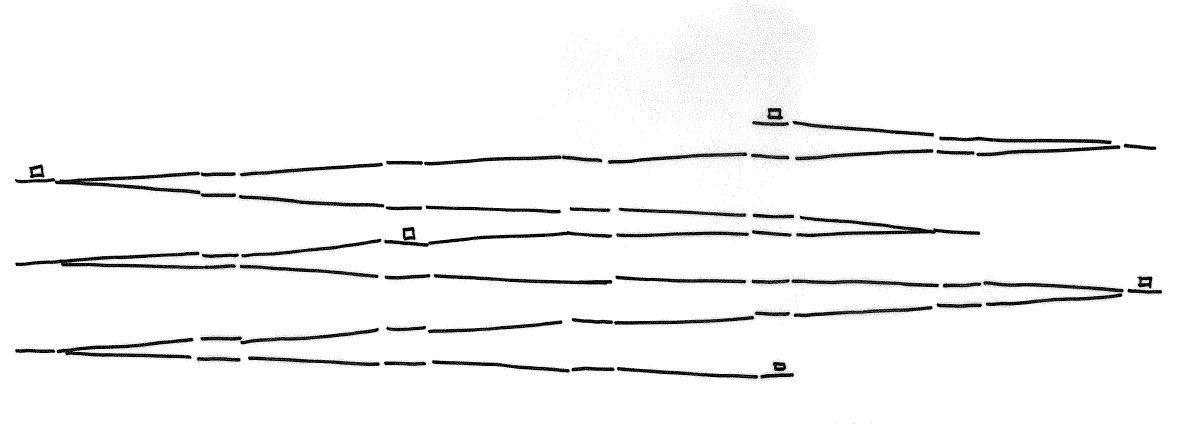
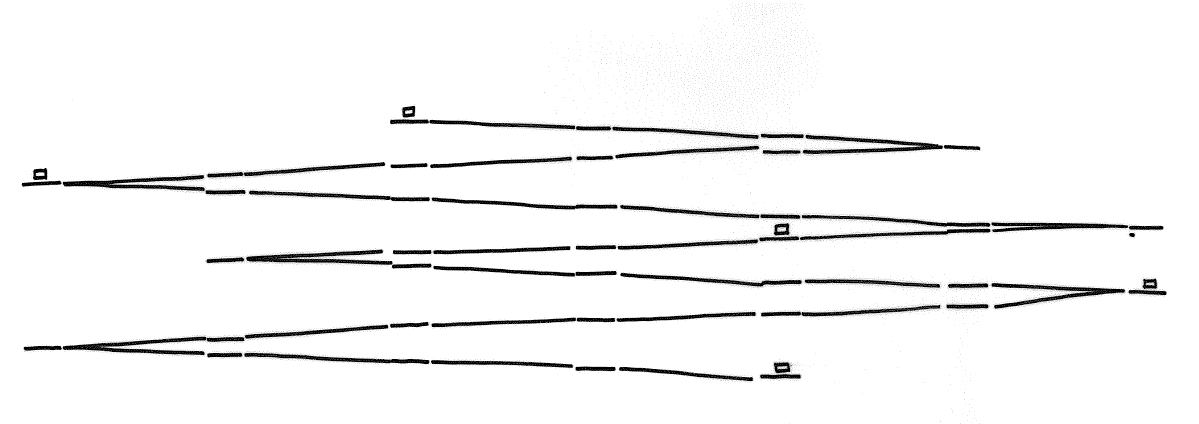


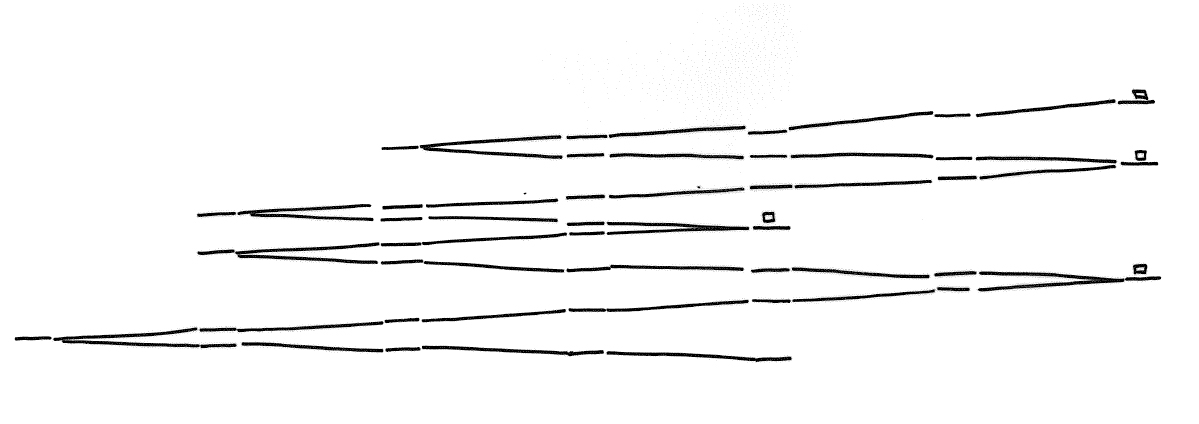
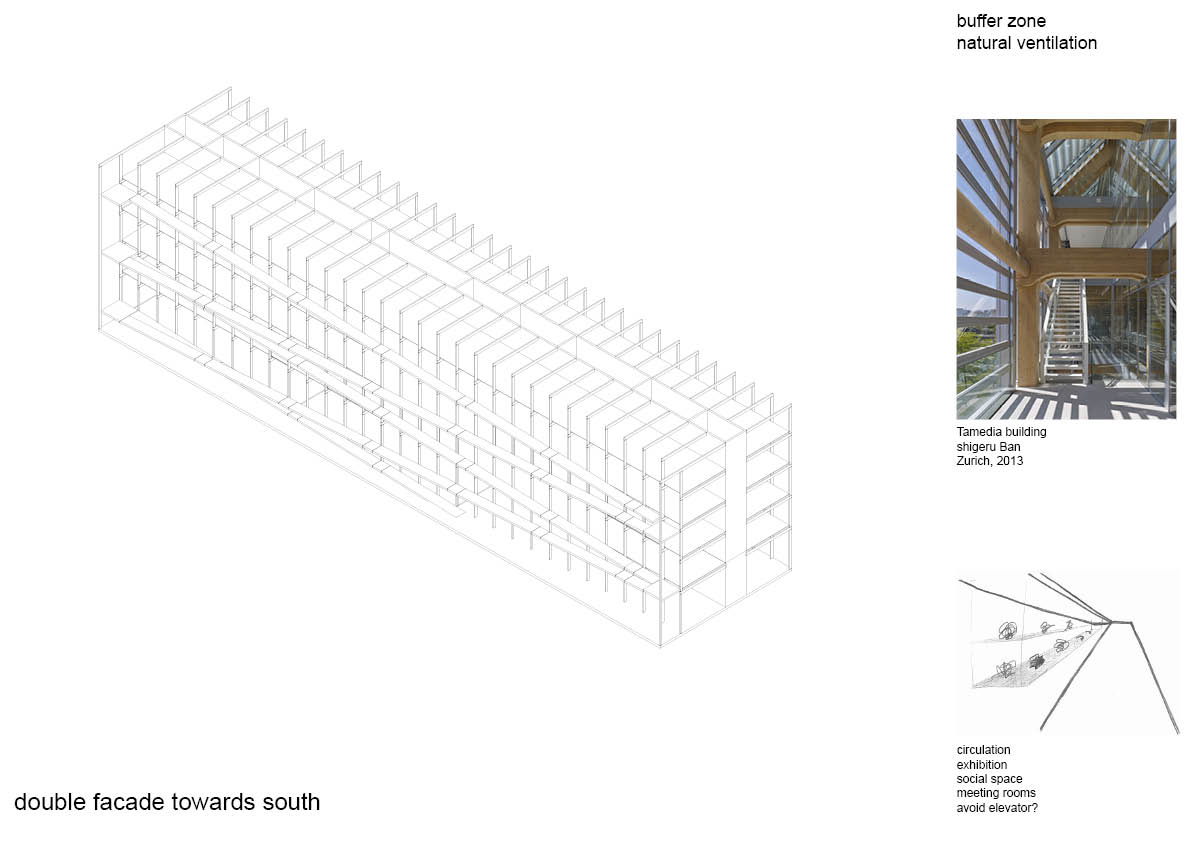
Sketching the different options for the ramps, using a system developed by the constraints of headheight and existing modularity. These sketches aim to develop social landing situations where the landings for going up and down are located in the same area in order to create an informal social space.
28th November 2014